
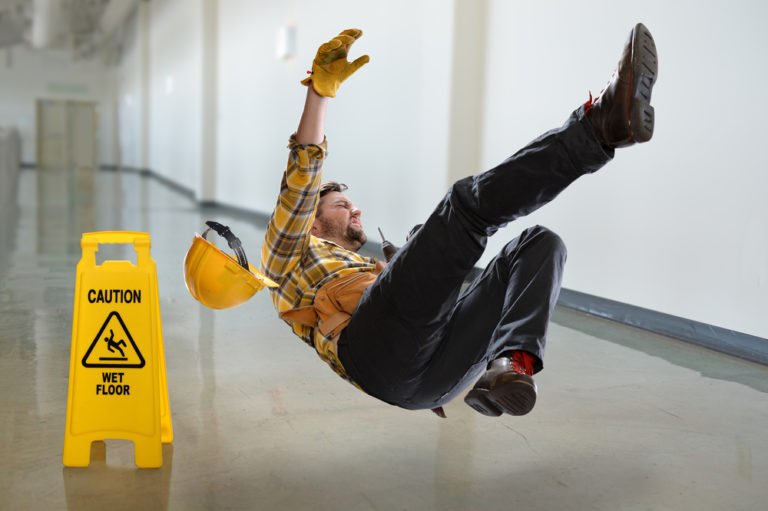
Slip and fall laws fall within the broader field of premises liability. These cases generally examine whether a property condition created an unreasonable danger, what the person or business controlling the premises knew or should have known, and whether that condition caused the injury.
There is no single nationwide premises-liability rule. State law controls the legal standard.
What Must Usually Be Proven?
An injured person generally needs evidence connecting the property condition to the fall and showing that the defendant owed an applicable duty of care.
State approaches differ. Cornell’s Legal Information Institute explains that duties to people entering property are generally governed by state premises-liability law, and states do not all use identical visitor classifications or standards. Cornell LII premises-liability background
Possible hazards include spills, damaged flooring, unsafe stairs, ice, debris, inadequate lighting, or other dangerous conditions.
Why Does Notice Matter?
Many cases examine whether the property owner or occupier knew about the condition or reasonably should have discovered it before the accident.
Broader property liability information may explain common negligence concepts, but notice is highly fact-specific. Inspection practices, cleaning schedules, employee observations, prior complaints, and the length of time a condition existed may become important.
Who Can Potentially Be Responsible?
Potential defendants may include property owners, tenants, property managers, maintenance contractors, or other parties responsible for the area.
Responsibility should not be assumed from ownership alone. Contracts and control over the location can affect who owed particular duties.
What Evidence Should Be Collected?
A hazard can disappear minutes after an accident. A spill may be cleaned, merchandise moved, ice melted, or a damaged area repaired.
Photographs and organized incident documentation can preserve information about the hazard, surrounding area, footwear, witnesses, treatment, and financial losses.
| Evidence | What It Can Preserve | Possible Importance |
|---|---|---|
| Hazard photos | Original condition | Shows what caused fall |
| Incident report | Early account | Records time and location |
| Witness details | Independent observations | Supports disputed facts |
| Medical records | Injury and treatment | Supports damages |
How Are Injury and Insurance Issues Handled?
A property liability insurer may investigate whether a dangerous condition existed, whether the insured had notice, whether the claimant contributed to the fall, and whether the claimed injuries resulted from the incident.
If coverage or liability is disputed, keeping policies, letters, emails, and claim challenge materials organized can make the history of the dispute easier to establish.
Compensation can include categories such as medical expenses, lost income, and other damages permitted under applicable state law.
Why a Fall Does Not Automatically Create Liability
The fact that someone fell on another person’s property does not by itself prove negligence. Businesses and property owners are not automatically responsible for every accident that occurs on their premises.
The claimant generally needs evidence connecting a legally significant dangerous condition to the injury. State law may also consider whether the danger was apparent, whether adequate warnings existed, and whether the injured person exercised reasonable care.
When Is Professional Legal Advice Useful?
Legal review may be helpful when injuries are serious, the property owner denies the hazard existed, surveillance footage may be available, several companies control the property, or the accident occurred on government property.
Government claims can involve separate notice procedures. Ordinary personal-injury filing deadlines also vary, making early identification of the correct defendant and jurisdiction important.
Frequently Asked Questions
Does a store have to pay whenever a customer slips?
No. Liability usually requires more than the occurrence of a fall. The applicable duty, hazardous condition, notice, causation, and state negligence rules must be considered.
What if the dangerous condition was cleaned immediately afterward?
Photographs, witnesses, surveillance footage, incident reports, maintenance records, and other evidence may still help establish what existed before cleanup.
Can an injured person share responsibility for a fall?
Yes. State law may consider the claimant’s conduct when allocating responsibility. The effect on compensation depends on the jurisdiction’s negligence rules.
Record the Hazard Before It Disappears
Premises-liability evidence can be unusually temporary. Photographing the condition, reporting the incident, identifying witnesses, preserving clothing or footwear when relevant, and keeping medical documentation can protect important facts. Because property-owner duties and shared-fault rules vary considerably, the governing state’s law should be checked before drawing conclusions about compensation.
This article provides general legal information and is not a substitute for advice from a qualified attorney about a specific case.