
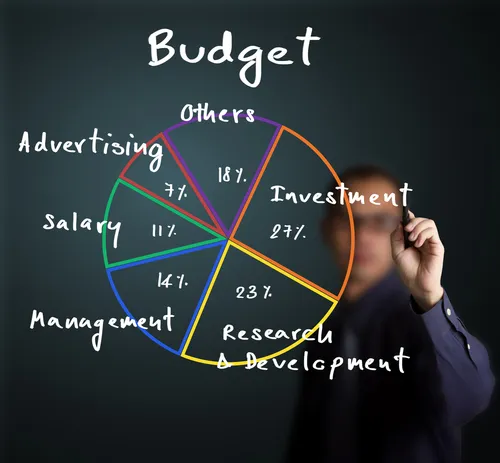
A useful business budget does more than restrict spending. It shows where money is expected to come from, where it must go, which expenses change with sales, and how much room remains when revenue misses the target. Good budgeting turns financial decisions into planned choices instead of emergency reactions.
Build the Budget From Real Records
Start with actual sales, payroll, supplier payments, rent, software, insurance, taxes, debt payments, and other recurring expenses. Historical information provides a stronger foundation than guessing what a “normal” business should spend.
The IRS explains that good records help businesses monitor progress, prepare financial statements, identify income sources, track expenses, and support tax returns. Its business recordkeeping guidance also notes that the chosen system should clearly show income and expenses.
Separate predictable costs from costs that rise or fall with activity. That distinction makes scenario planning much easier.
Budget Revenue Conservatively
Revenue forecasts deserve as much scrutiny as expenses. A budget built on perfect sales performance can make ordinary results look like a crisis.
Businesses reviewing general growth and marketing material should compare outside ideas against their own sales history. Use signed contracts, realistic pipeline assumptions, seasonality, customer retention, and actual pricing rather than the most optimistic possible outcome.
Consider maintaining a base forecast and a lower-sales scenario. If the company can remain stable under the weaker case, management has more flexibility when conditions change.
Separate Profit From Available Cash
A profitable sale does not always put cash in the bank immediately. Businesses that invoice customers may recognize revenue long before payment arrives, while payroll, rent, and supplier obligations still need to be paid.
Reading revenue-focused online resources may encourage owners to think about earning more, but budgeting also requires attention to timing. A cash forecast tracks when money is expected to enter and leave the account.
| Budget Area | What to Track | Common Risk |
|---|---|---|
| Revenue | Expected collections | Overly optimistic sales |
| Fixed costs | Rent, insurance, salaries | Hard to reduce quickly |
| Variable costs | Materials, commissions | Rise with activity |
| Cash reserve | Available liquidity | Unexpected expenses |
A company can report an accounting profit while still facing a short-term cash shortage.
Review Expenses by Business Value
Expense control should not mean cutting every line equally. Some costs support sales or protect the business, while others continue because nobody has reviewed them.
Owners exploring broader financial commentary can apply a simple test to recurring spending: does this expense generate revenue, protect operations, meet an obligation, or save meaningful time? If the answer is unclear, investigate it.
Check software subscriptions, unused services, duplicate tools, supplier pricing, financing expenses, low-return advertising, and processes that create unnecessary labor. Small recurring costs can become material when multiplied across an entire year.
Where Budget Cutting Can Backfire
Reducing expenses without understanding their function can damage the company. Cutting customer service may increase cancellations. Buying cheaper materials may create returns. Delaying maintenance may produce larger repair costs.
The opposite mistake is treating the budget as fixed once the year begins. Actual results should continually replace assumptions. A useful budget changes when sales, prices, staffing, financing, or business priorities change.
Do not hide unfavorable results by simply rewriting targets. Record the variance and understand why it occurred.
When Should You Bring in Financial Help?
Professional assistance may be appropriate when cash shortages become persistent, debt payments are difficult to meet, tax obligations are uncertain, or financial records are too incomplete to produce reliable reports.
An accountant or qualified adviser can help organize statements, identify tax-related issues, and examine cash-flow patterns. The IRS also notes that businesses need records supporting income and expenses reported on tax returns.
Frequently Asked Questions
How often should a small business review its budget?
Many businesses benefit from reviewing actual results against the budget at least monthly. Companies with tight cash flow or rapidly changing sales may need more frequent monitoring.
Should taxes be included in a business budget?
Yes. Expected tax obligations should be considered when planning cash needs. Specific requirements depend on business structure, income, location, and applicable tax rules.
What is the difference between a budget and cash-flow forecast?
A budget estimates revenue, expenses, and financial performance. A cash-flow forecast focuses on the timing of actual money entering and leaving the business.
Turn the Budget Into a Management Tool
A budget works when it affects decisions before money is spent. Base forecasts on real records, compare actual results regularly, model weaker sales periods, and question expenses without damaging activities that produce value. The goal is not to spend as little as possible. It is to direct limited business resources toward the work that produces the strongest financial return.
This article provides general financial and business information and is not individualized accounting, tax, legal, or financial advice.