
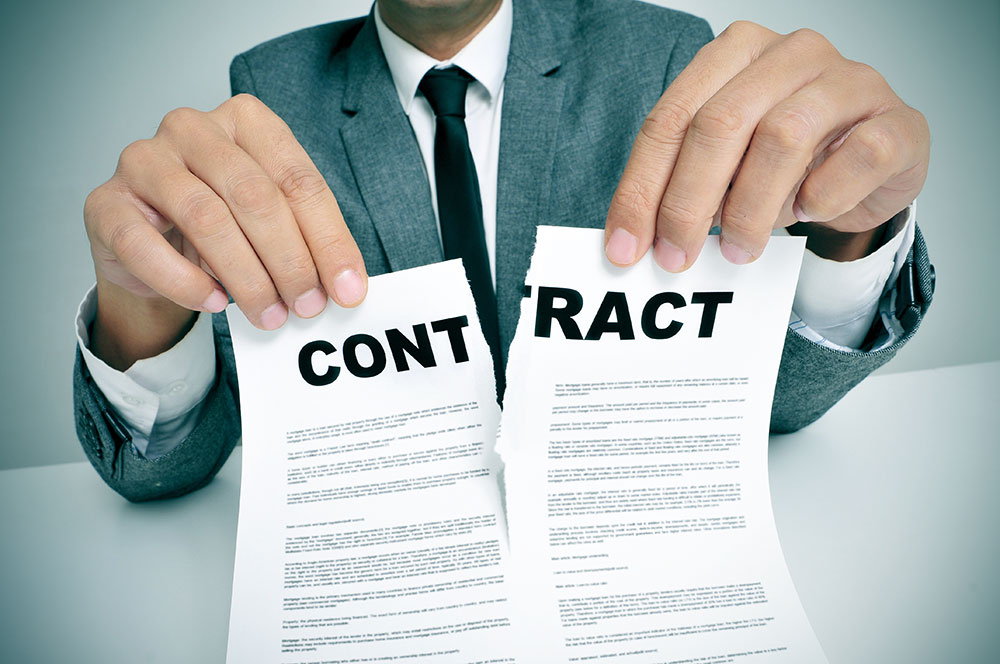
Signing a contract does not usually create an automatic right to cancel whenever one party changes its mind. Cancellation rights can come from the contract itself, mutual agreement, breach, consumer-protection statutes, or other legal grounds. The correct procedure matters because an improper attempt to terminate may itself create financial liability.
Cancellation, Termination and Rescission Are Not Always Identical
Everyday language often treats these words as interchangeable, but their legal effects can differ. Termination may end future duties, while rescission generally refers to undoing a contract and attempting to restore the parties to their pre-contract positions.
Cornell’s Legal Information Institute identifies mutual agreement and certain grounds such as material breach, fraud, duress, or misrepresentation as circumstances potentially associated with rescission. Cornell Legal Information Institute rescission overview
Start With the Contract’s Exit Clause
Many agreements explain when termination is permitted, how much notice must be given, where notice must be sent, and whether the other party receives time to cure a default.
Stories appearing on regional news platforms may describe a contract as “cancelled,” but the legal consequences can turn on whether the correct contractual procedure was actually followed.
Notice Requirements Matter
A contract might require written notice delivered to a named address or sent through a specified method. A casual phone call or informal message may not satisfy the agreed procedure.
Does Every Consumer Contract Have a Cooling-Off Period?
No. There is no universal federal three-day cancellation period covering every purchase or agreement. Specific rules apply to particular transactions.
For example, the Federal Trade Commission’s Cooling-Off Rule addresses certain qualifying sales made at a consumer’s home or specified other locations and provides a three-business-day cancellation right within its scope. Public discussion through local media resources should not be treated as evidence that the rule applies to a particular transaction.
| Cancellation Basis | Possible Source | Key Question |
|---|---|---|
| Contract clause | Agreement itself | Was notice proper? |
| Mutual agreement | Both parties | Were release terms clear? |
| Material breach | Contract law | Was breach serious enough? |
| Statutory right | Consumer law | Does the statute apply? |
What Financial Consequences Can Follow?
Cancellation may trigger deposits, cancellation fees, payment for work already completed, repayment obligations, liquidated damages, return of property, or other contractual consequences.
Information obtained through broader regional reporting can provide general context, but the amount legally owed depends on the contract, applicable law, actual performance, and enforceability of the relevant provisions.
Where Cancellation Decisions Commonly Go Wrong
The biggest mistake is assuming that stopping payment or sending a short message automatically ends contractual duties. If no cancellation right exists, the attempted exit may amount to breach.
Another error is overlooking continuing obligations. Confidentiality, intellectual-property protections, dispute clauses, payment obligations, or other provisions may survive termination depending on the agreement’s wording.
When Legal Advice May Prevent a Larger Dispute
Professional review can be useful before cancelling a high-value contract, commercial lease, construction agreement, long-term service relationship, real-estate transaction, franchise arrangement, or contract involving significant termination fees.
It is also sensible when the parties disagree over notice, deposits, refunds, breach, or continuing obligations after termination.
Frequently Asked Questions
Can I cancel a contract immediately after signing it?
Sometimes, but there is no general rule allowing every contract to be cancelled immediately. Contract terms and specific state or federal statutes determine whether a cancellation right exists.
What happens if I cancel without legal grounds?
The other party may claim breach of contract and seek available remedies. The result depends on the agreement, losses, defenses, and governing law.
Can both parties agree to end a contract?
Yes. Parties can often mutually agree to terminate or rescind their agreement. The termination arrangement should clearly address remaining payments, property, releases, and obligations that survive.
Confirm Your Exit Rights Before Cancelling
Contract cancellation works best when it follows the procedure the parties actually agreed to or a legal right that genuinely applies. Before stopping payment, returning goods, abandoning performance, or announcing termination, review the contract and preserve proof of all notices. A careful exit can prevent a manageable disagreement from becoming a larger breach claim.
This article provides general legal information and is not a substitute for advice from a qualified attorney about a particular situation.